Premium Fresh Herbs
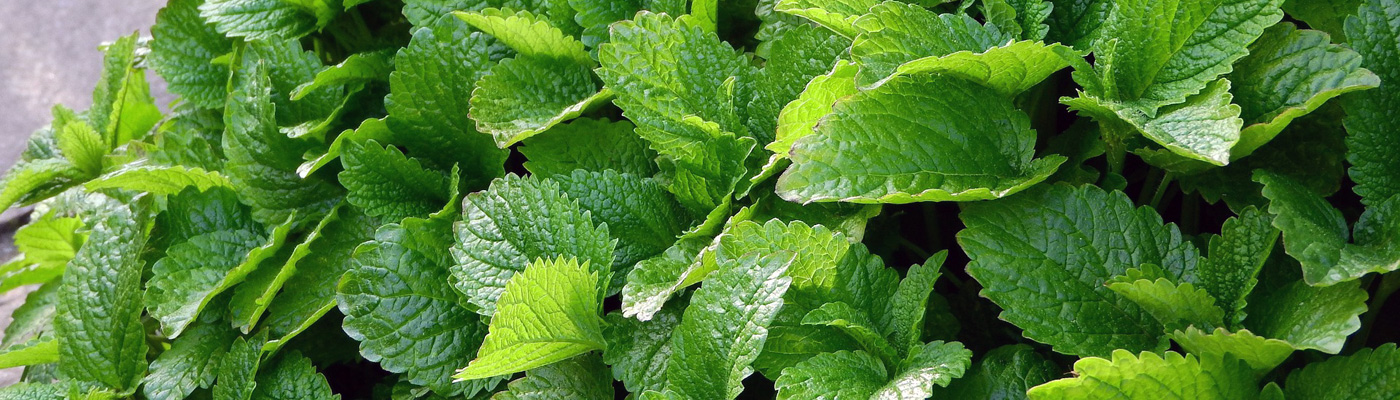
Fresh herbs list

BASIL (sweet basil)
Basil is most often used fresh in cooked dishes. It’s usually added at the end of cooking because heat quickly reduces its flavor. Fresh basil can be stored briefly in plastic bags in the refrigerator, or frozen for longer storage after a quick blanch in boiling water. Dried basil loses much of its aroma and develops a mild, hay‑like coumarin note. Basil is a key ingredient in pesto, the classic Italian green sauce made with olive oil, garlic, and pine nuts. In Chinese cuisine, both fresh and dried basil are also used in soups and various dishes.
CHARD
Chard has a slightly bitter flavor and is enjoyed in many cuisines around the world, including Arab cooking. Young chard leaves can be eaten raw in salads, while mature leaves and stalks are typically cooked or sautéed. When cooked, the bitterness softens, leaving a refined taste that is milder than cooked spinach.
CHERVIL
Often called the “gourmet’s parsley,” chervil has a mild flavor with hints of licorice and pepper, adding a fresh note to dishes. Whether fresh or dried, it is delicate and should be added at the end of cooking. Chervil enhances the flavors of other herbs and is a key component of fines herbes, the classic French blend. A member of the parsley family, chervil is more delicate and fern‑like than common parsley and comes in both curly and flat varieties.
CHIVES
Chives are grown for their slender leaves, which offer a mild onion-like flavor. They are widely used in French and Swedish cuisine and are a traditional ingredient in gräddfil sauce served with herring at Swedish midsummer celebrations. Chive flowers can also be used as an edible garnish. In Poland, chives are often paired with quark cheese. Chives are one of the classic French fines herbes, along with tarragon, chervil, and parsley.
CORIANDER
Coriander leaves are known by many names, including fresh coriander, Chinese parsley, and cilantro (especially in North America). The fresh leaves are widely used in South Asian chutneys and salads, Chinese dishes, Mexican salsas and guacamole, and as a garnish in Russian and CIS cuisines. In Indian cooking, chopped coriander is commonly sprinkled over dishes like dal. Because heat reduces its flavor, coriander is usually added raw or just before serving.
DILL
Fresh and dried dill leaves are popular in Germany, Poland, Finland, Norway, Sweden, the Baltic region, Russia, and Central Asia. Its aromatic, fern-like leaves are used to flavor dishes such as gravlax, borscht, soups, and pickles. Dill is best used fresh, as dried dill loses its flavor quickly, though freeze‑dried dill keeps its aroma for a few months. Dill seeds are also used as a spice, with a flavor similar to caraway. Dill is especially common in fish dishes.
LEMONGRASS
Native to India and tropical Asia, lemongrass is widely used in Asian cuisine. It has a light citrus flavor and can be used fresh, dried, or powdered. It is commonly added to teas, soups, and curries, and pairs well with poultry, fish, beef, and seafood. Lemongrass tea is also popular in parts of Africa, including Togo and the Democratic Republic of the Congo, as well as in Latin America, such as Mexico.
LETTUCE
Most lettuce varieties are grown for their leaves, though some are cultivated for their stems or seeds, which can be pressed into oil. Lettuce is most often used in salads, either alone or mixed with vegetables, meats, or cheeses. Romaine lettuce is the classic choice for Caesar salad. Lettuce leaves also appear in soups, sandwiches, and wraps, while stems can be eaten raw or cooked. In China, lettuce has traditionally been cooked rather than eaten raw, leading to a wide range of dishes including soups, stir-fries, and meals with bean curd or meat.
LOVAGE
Lovage has long been cultivated in Europe, where its leaves are used as an herb, its roots as a vegetable, and its seeds as a spice—especially in southern European cuisine. The leaves can be added to salads or soups, and the roots can be cooked or grated raw. Its flavor is very similar to celery. Lovage tea is sometimes used as a digestive aid or antiseptic. The seeds resemble fennel seeds in flavor. In the UK, a traditional lovage cordial is often mixed with brandy as a warming winter drink.
MARJORAM
Marjoram is grown for its aromatic leaves, used fresh or dried in cooking. The tops are harvested as the plant begins to flower and are dried slowly in the shade. Marjoram is often included in herb blends such as herbes de Provence and za’atar. The flowering tops can also be steam‑distilled to produce a yellow essential oil. Sweet marjoram is commonly used to flavor salad dressings, vegetables, legumes, and oils. It has a gentler flavor than oregano and is best added at the end of cooking.
MINT (MENTHA)
Mint leaves, whether fresh or dried, are the main culinary part of the plant. Fresh mint is usually preferred when available, as it offers a warm, aromatic sweetness with a refreshing cool aftertaste. Mint is widely used in teas, beverages, jellies, syrups, candies, and ice creams. In Middle Eastern cuisine, it often accompanies lamb dishes, while in British and American cooking it appears in mint sauce and mint jelly. Mint essential oil and menthol are common flavorings in breath fresheners, drinks, mouth rinses, toothpaste, chewing gum, desserts, and mint chocolate.
MIZUNA
Mizuna is a delicate, wispy salad green related to Chinese cabbage, known for its mild mustard flavor. Native to Japan, it grows 14–16 inches tall and has smooth, feathery green‑and‑yellow leaves. Mizuna is available as a mature green or as a tender baby variety. It can be steamed, boiled, stir‑fried, or used raw in salads, often paired with other greens such as Red Asian Mustard.
OREGANO
Oregano is a key culinary herb valued for its aromatic, warm, and slightly bitter leaves, which often become more intense when dried. High‑quality oregano can be strong enough to lightly numb the tongue, though varieties grown in cooler climates tend to be milder. Climate, soil, and growing conditions greatly influence its essential oils. Oregano is most famously associated with Italian‑American cuisine and is commonly used with roasted, grilled, or fried vegetables, meats, and fish.
PARSLEY
Parsley is widely used in Middle Eastern, European, and American cooking. Curly parsley is often used as a garnish, while flat‑leaf parsley is favored for its flavor. In central and eastern Europe and western Asia, many dishes are topped with freshly chopped parsley. It is commonly sprinkled over potatoes, rice dishes, fish, fried chicken, lamb, goose, steaks, and hearty stews such as beef bourguignon, goulash, or chicken paprikash. In southern and central Europe, parsley is an essential part of bouquet garni, a classic herb bundle used to flavor stocks, soups, and sauces.
ROSEMARY
Rosemary leaves, fresh or dried, are staples of Mediterranean cooking. They have a strong, aromatic, slightly bitter taste that complements many foods. Rosemary leaves can also be steeped to make a herbal tisane. When burned, they release a mustard‑like, woodsy aroma that can be used to flavor grilled foods. Rosemary is naturally rich in iron, calcium, and vitamin B6. Its extract is known to improve the shelf life and heat stability of omega‑3‑rich oils.
RUCOLA (arugula, rocket salad, garden rocket)
Rocket has a bold, peppery flavor and an unusually pungent taste for a leafy green. It is frequently used in salads, often as part of a mesclun mix. In northern Italy and western Slovenia, it is also served raw with pasta or meats. In Italy, fresh rocket is commonly added to pizzas at the end of baking so it stays crisp. In Puglia, it is cooked into the traditional pasta dish cavatiéddi, combined with tomato sauce and pecorino. Rocket is also added to sauces, cooked dishes, and condiments for cold meats and fish.
SAGE
Both narrow‑leaf and broad‑leaf non‑flowering varieties of sage are used in cooking. Sage is a classic herb in Mediterranean cuisine, especially Italian dishes. It is often added to marinades for meat, fish, pork sausage, lamb, and vegetables such as peas, eggplant, lima beans, and carrots. It is a traditional seasoning for poultry. Sage also flavors English Sage Derby cheese and various baked goods including biscuits, scones, and breads. Because of its strong flavor, sage should be used sparingly; when added early in cooking, it pairs well with herbs like rosemary, thyme, and oregano.
SALICORNIA
Salicornia europaea is an edible coastal plant enjoyed raw or cooked. In England, it is known as samphire, a name derived from the French herbe de Saint‑Pierre (“St. Peter’s herb”). Samphire is typically steamed or microwaved and then dressed with butter or olive oil. Due to its naturally high salt content, it should be cooked in plenty of unsalted water. The plant has a firm, stringy core; after cooking, the tender outer flesh is pulled away and resembles seaweed in color, with a flavor and texture similar to young spinach stems or asparagus.
SAVORY
Summer savory is a beloved herb in Atlantic Canada, where it plays a role similar to sage in other regions. It is the main seasoning in dressings for poultry and is often mixed with ground pork to create a hearty meat dressing known as “cretonade,” traditionally served with turkey, goose, or duck. Savory is also used in stews such as fricot and in meat pies. It is widely available dried and is used in both generous amounts for robust dishes and in smaller quantities for beans, with which it pairs naturally.
SORREL
Sorrel is enjoyed both as an herb and as a salad green, prized for its bright, refreshing tartness. A classic preparation is sorrel cooked into a sauce and served with fish, providing a lemon‑like flavor without using lemon. Sorrel is also excellent in soups, stews, and mixed salads, especially when using tender baby leaves. Its culinary history dates back to ancient Egypt. Rich in vitamins A and C, sorrel is valued for its flavor and is sometimes considered helpful for digestion. It is used in pastries, stews, fried dishes, and meat pies.
SPINACH
Spinach is commonly eaten raw in salads, often following a traditional recipe that includes bacon and hard‑boiled eggs. It is also served cooked as a side dish, either plain or creamed, and is a popular ingredient in French and Italian dishes, where it adds an earthy, vegetal flavor and gentle sweetness.
TARRAGON (estragon)
Tarragon is one of the four classic fines herbes of French cuisine and pairs especially well with chicken, fish, and egg dishes. It is the signature flavor in Béarnaise sauce. Fresh tarragon sprigs are often steeped in vinegar to make tarragon vinegar. Tarragon also flavors a bright green carbonated soft drink called Tarhun, popular in Azerbaijan, Armenia, Georgia, Russia, Ukraine, and Kazakhstan. In Slovenia, it is used in the traditional sweet cake potica, and in Hungary it flavors a well‑known chicken soup.
THYME
Thyme is available fresh or dried. Fresh thyme is more aromatic but has a short shelf life, though greenhouse‑grown thyme is often available year‑round. Fresh thyme is typically sold in small bunches of sprigs. Dried thyme is widely used, including in Armenia, where it is brewed into teas. Depending on the recipe, thyme may be used as whole sprigs—such as in a bouquet garni—or the leaves may be stripped from the stems. When a recipe calls for “sprigs,” it refers to the whole form; when it specifies spoon measurements, it means the leaves. Dried thyme can be substituted for fresh when needed.
Wikipedia content is provided under the Creative Commons Attribution-ShareAlike License; additional terms may apply.
Wikipedia® is a registered trademark of the Wikimedia Foundation, Inc., a non-profit organization.
Premium fresh herbs grower-direct
Year-round supply of fresh herbs and lettuce salads from certified Israeli growers: mint, spinach, thyme, tatsoi, arugula, oregano, arugula deluxe, chives, red chard, marjoram sweet, lemon grass, baby mix salad, salicornia, sorrel, arugula baby, lollo rosso lettuce, peppermint, bulls blood, parsley flat, rucola deluxe, rucola baby, rosemary, baby spring mix lettuce, tarragon, sage, lemon balm, rucola, basil red, marjoram, dill, savory, basil, romaine lettuce, basil green, parsley curly, lemongrass, chervil, coriander, mizuna, etc. used as spices and seasoning herbs in healthy cooking recipes.
Fresh culinary herbs worldwide distribution
Our company is wholesaler of premium culinary fresh herbs and salads offering worldwide supply to Bosnia, Panama, Chile, Holland, Cyprus, Russia, Switzerland, Philippines, China, Monaco, Turkmenistan, Malaysia, Kazakhstan, Paraguay, Australia, Hungary, South Africa, Armenia, Canada, Georgia, Malta, Indonesia, Azerbaijan, Nicaragua, Slovakia, Gibraltar, Spain, Germany, Vietnam, Denmark, Lithuania, Turkey, Mexico, Czech Republic, Netherlands, Singapore, Laos, South Korea, Iceland, Latvia, Hong Kong, Sweden, USA, Uruguay, Belgium, Costa Rica, Colombia, UK, Croatia, Greece, Republic of Ireland, Ecuador, Japan, Norway, Thailand, Estonia, Belarus, Luxembourg, United States, Italy, Moldova, Uzbekistan, Romania, India, Slovenia, Ukraine, Macedonia, Bolivia, Andorra, Finland, Sri Lanka, Peru, Kyrgyzstan, Tajikistan, Taiwan, New Zealand, Austria, Bulgaria, Liechtenstein, Brazil, Portugal, United Kingdom, Venezuela, Poland, Argentina, France, etc. Contact us for a price quote including direct air-freight delivery to destination airport.
Site navigation | Main | Company | Quality | Fresh herbs | Contact | XML | HTML | RSS | Corporate website